“The unexpected is the norm and how we behave in the unexpected is the test of our character” – Timothy Tate
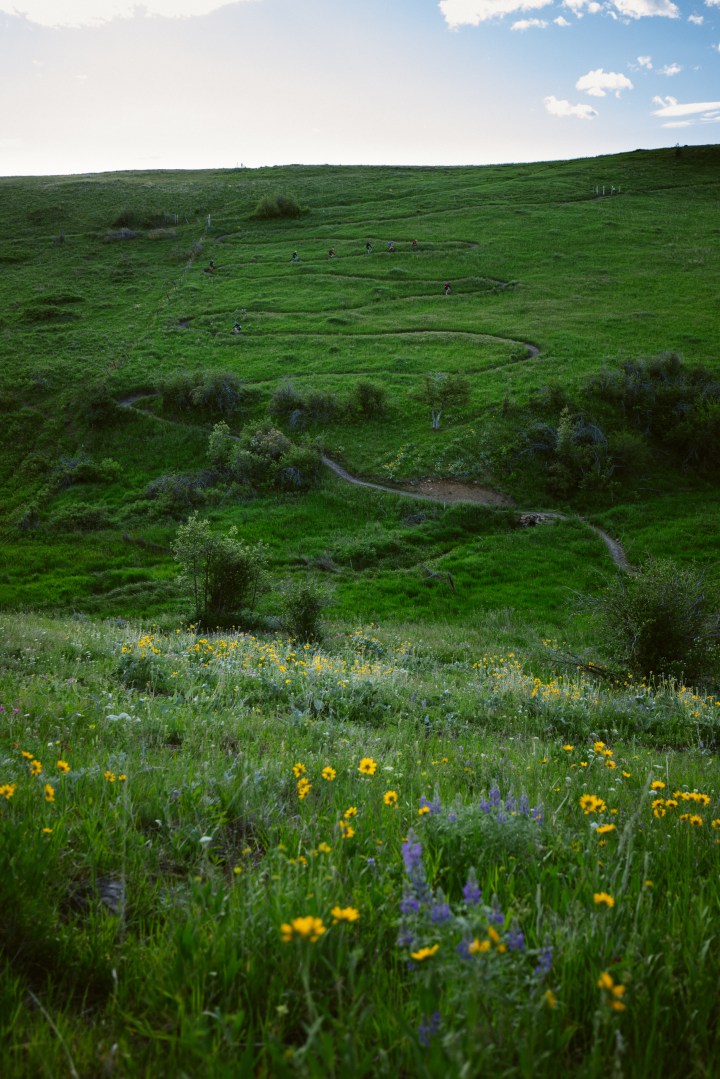
I’ve never been much of a mountain biker*. I like it in the same way I like bananas. I eat them, I generally enjoy them, but they are kind of a filler. I don’t dream about the perfect banana or crave it in the middle of the work day. Similarly with mountain biking. I like it, I enjoy it, but it fills the time between epic runs and skis. And yet somehow, a few weeks ago, I found myself roped into a three-day biking challenge around the trails of Bozeman with a mixed of crew of 20 to 30-somethings united around the single goal of exploring every Gallatin Valley Land Trust Trail (included on the printed map).
The month of June in Bozeman coincides with the annual Gallatin Valley Land Trust (GVLT) trails challenge, an annual fundraising effort to raise awareness and support dollars for the valley’s expansive trail system. GVLT invites the community to log miles out on the trails and in turn, GVLT secures sponsors to match every mile logged with $1, earning up to $50K for trails.

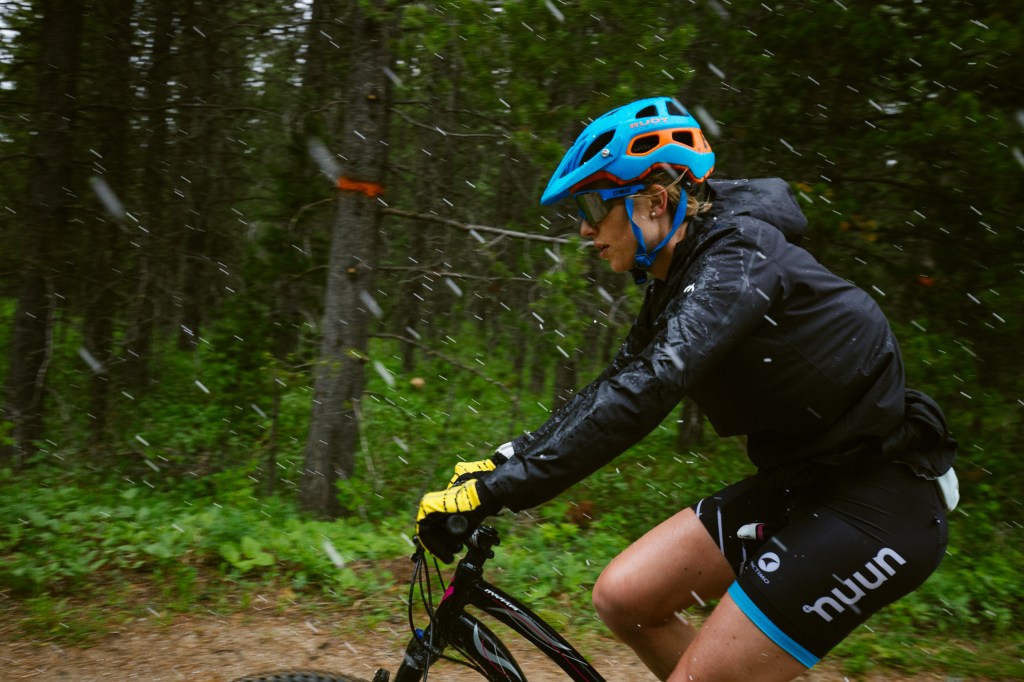
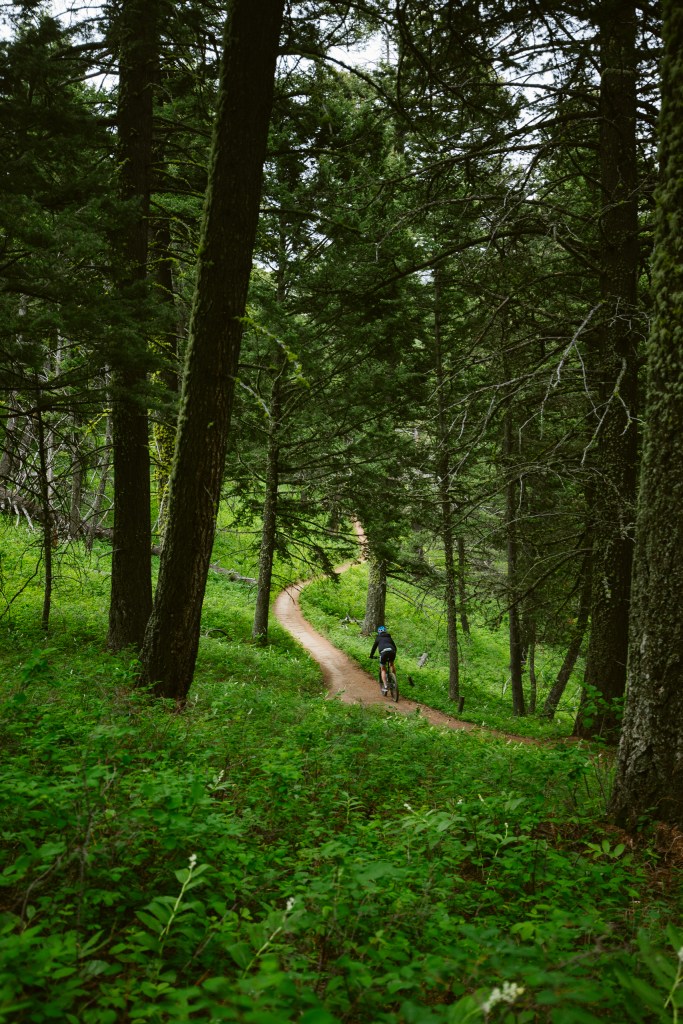
I spent three days with an enthusiastic (and at times hangry) crew, weaving our way around Bozeman’s vast trail system logging 100+ miles on bike (and some on foot). We explored new routes, ate at least an ice cream a day, saw two snakes, pedaled through a 35 degree hail storm and and 85 degree wind storm and in those three days, I saw exactly zero people of color on the trails.
Born in Montana, my exposure to BIPOC has been admittedly limited. When discussions come up around race, it has been all too easy to fall back on storied excuses, that “we just don’t have many black people in Montana,” that “we just aren’t a very diverse state,” that “conflicts around race are problems in other parts of the country. ” I realize these are just weak excuses for inaction. Instead I should have been asking why. Why haven’t we created a state where BIPOC feel welcome? Why have I grown up in a state with seven Indian reservations but know virtually nothing about those who live on them? Why are there so few BIPOC cross-country skiers and trail runners? Why is the only color on the trail, that of wildflowers?

In three days of biking and hiking trails that crisscross the valley I did not see a single black person. In fact in the last month, I’ve seen exactly one BIPOC on the trail. They stood out not only because of the color of their skin, but they were also the only person I’ve seen out exercising who was wearing a mask. While the trails challenge made me immensely proud of the outdoor opportunities we’ve created in this valley, it made me equally disappointed by the ways we’ve limited their use to people who look mostly like me, either intentionally or unintentionally. I am privileged to equate biking to bananas. For starters, I have a bike. I also have time. I have trails right out my backdoor, I have Nuun for refueling and money for granola bars and a fancy helmet and bike shorts. I have the choice to go mountain biking on a daily basis, an activity many simply don’t have access to for economic reasons not to mention access or infrastructure. I should be ecstatic and grateful for any chance I get to jump on my bike and ride, and yet I’ve come to equate it with a mildly sweet fruit that fills the time between breakfast and lunch. This is part of the problem. I am part of the problem. I want to do a better job of owning my part and doing something about it. Trails, mountain towns and Montana should be places where BIPOC feel welcome, feel like they belong and have the same opportunities to recreate on foot and on bike that I subconsciously take for granted all too often. The fact that I’m just really noticing this in a way that bothers me is also hugely problematic.
Over the past month I, like many, have grappled with what to do. What actionable steps can I take to affect meaningful and lasting change, not just today but tomorrow, and the next day, and the next? How can I be authentic in these efforts? How can I keep the pressure on our decision makers and continue to hold myself and others accountable to creating a more equitable world? I’m still figuring that out, but I’ve been fortunate to have a number of people in my life pushing and driving toward the same thing but with a much greater and wider expanse of knowledge to share. I know there will always be more to do, but I also know that being overwhelmed by the work is just another weak excuse not to start. Part of authentic action is holding myself accountable. Setting public goals is both scary and empowering. Suddenly someone else holds you accountable. But accomplishing big goals takes support and my hope is that sharing will invite others to do the same, to teach me how and ALSO hold me accountable.
Goal 1: Help draft a piece of anti-racist legislation to propose for passage in the Montana State Legislature.
I don’t know yet what this looks like but I do know we are a state that has not created a welcoming environment for BIPOC. If we had, the communities in this state would look a lot different. This legislation may look at bail or police reform or labor policies or something I haven’t even thought about that needs to change. I am not the expert but I do believe we have a political voice at the state level and I aim to use it.
Action Item: Research current Montana policing policies, talk to leaders of local racial equity groups and political leaders with additional background and knowledge in this field to learn what needs to change and how.
Goal 2: Bring greater awareness to, and support for, the Montana indigenous populations.
The fact that a quick Google search for information on the seven Montana Indian reservations turns up next to nothing is problematic to me. What I do know is that COVID-19 has disproportionately impacted native communities here in Montana and we have historically not invested in creating thriving reservations. I aim to learn more about these communities, understand their strengths and where we’ve fallen short in supporting them and do something meaningful to change that.
Action Item: Donating a North Face Tent (short-term).
The Crow Nation is seeing a surge in COVID-19 cases, and they have requested cleaning supplies and gently used or new tents to house non-sick Crow residents, as many families live together and don’t have the space to isolate. Items needed include:
- Antibacterial wipes
- Bathroom cleaner
- Household cleaners
- Hand sanitizer
- Bleach
- Tents
Hopa Mountain will be in charge of delivering and distributing these supplies to the community. If you have any questions about donation items, please contact Bonnie Satchatello-Sawyer at bsawyer@hopamountain.org.
Goal 3: Keep talking about it.
I want to continue to be challenged, to understand my blind spots and to learn more from others.
Action Item: Take an active and thoughtful role in an Anti-Racist Book Club. Speak up. Show up.
In that vein, I’ve found a few resources particularly useful in helping carry out the above. As someone who loves lists and tangible actions, I share these in the hope they offer some sort of guide for others wondering where to start. Please share any others as I know this list is not comprehensive or exhaustive.
Books:
So You Want to Talk About Race, Ijeoma Oluo
White Fragility, Robin Di’Angelo
The New Jim Crow
Videos:
When They See Us, Netflix
Thirteenth, Netflix
Articles:
Why Every Environmentalist Should be Anti-Racist
Anti-Racism in (White) Mountain Towns
Community Commitments: A Diversity and Inclusion Handbook
*I recognize this is supposed to be a running blog but for one reason or another the last few weeks have been filled with biking.
 erika flowers